


William J C Van Niekerk
Consultant Plastic Surgeon
The London Practice
William J C Van Niekerk
Consultant Plastic Surgeon
The London Practice
William J C Van Niekerk
Consultant Plastic Surgeon
The London Practice
Salamander
What's With the Salamander
Salamanders are a group of amphibians that are well known for their remarkable ability to regenerate their tissues, limbs, tails, spinal cords, and even parts of organs such as the heart and brain. This makes salamanders true biological marvels: they are the only larger vertebrates that can regenerate entire limbs, a capacity for healing unmatched in the animal kingdom. Lizards can grow new tails, and human children can regrow the tips of their fingers, but only the salamander can regenerate perfect limbs, from their shoulders to their hands, from their pelvis to their feet, and all of this from scratch.
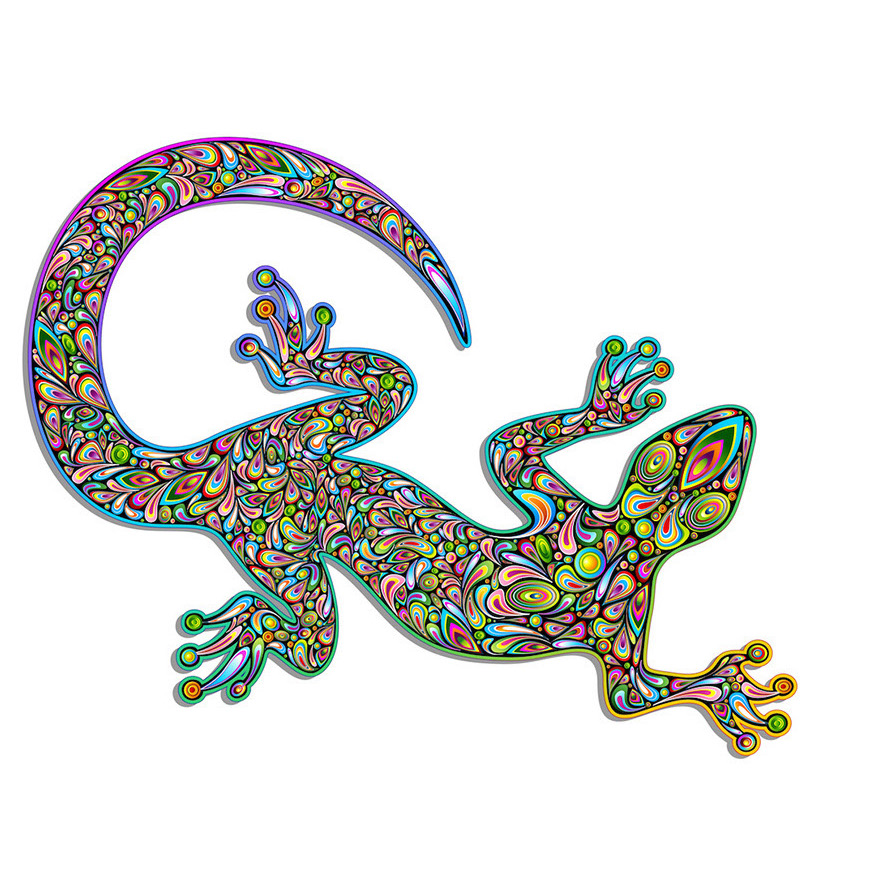
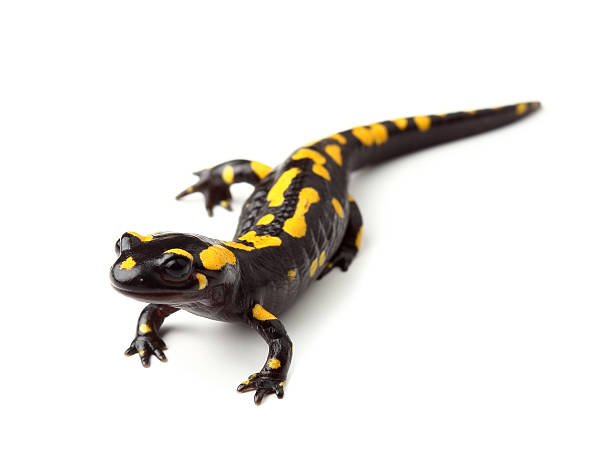
This unique ability has captured the attention of scientists for decades, and research on salamander regeneration has led to some significant insights into the mechanisms of tissue repair and regeneration in other animals, including humans. This knowledge could potentially be used to develop new therapies for injuries and diseases that affect tissue regeneration, such as spinal cord injuries, heart disease, and diabetes. The potential implications for the world of medicine if we could unlock the regenerative secrets of the salamander are simply dizzying.
The salamander's remarkable ability to regrow tissues, organs, and even whole body parts, means that it has been hailed as the champion of regeneration, and is also why it has become is a symbol for healing and reconstruction. The salamander has even been adopted as the emblem of the British Association of Plastic, Reconstructive, and Aesthetic Surgeons (BAPRAS), the UK's main professional organisation for plastic surgeons.
Much of how exactly salamanders achieve their astonishing regenerative feats remains a mystery, but we do know that when a salamander loses a limb, the cells near the site of injury begin to divide rapidly and form a mass of cells called a blastema - a group of regeneration-competent limb progenitor cells. The cells in the blastema have the potential to differentiate into various different cell types, including muscle, bone, and nerve cells. Over time, these cells proliferate and differentiate and form a new limb that is functionally and structurally similar to the original.
One of the key factors that contribute to the formation of the blastema and the salamander's regenerative ability is the presence of a unique group of cells called the dedifferentiated cells: regeneration in salamanders starts by dedifferentiation of the terminally differentiated tissues at the site of injury.1 The dedifferentiated cells can then differentiate to reconstitute the lost tissues. This transdifferentiation in an adult animal is unprecedented among vertebrates and does not involve recruitment of stem cells. These cells can revert to a more primitive state and become pluripotent, meaning that they have the potential to differentiate into any cell type. In addition to dedifferentiated cells, salamanders also have a complex signalling network that regulates cell proliferation, differentiation, and migration during regeneration.
Amazing as it may sound, salamanders are also photosynthetic. Yes, they can photosynthesise like plants! The yellow spotted salamander (Ambystoma maculatum) is the first and only (known) photosynthetic vertebrate ever discovered. More accurately speaking, its is the embryos of this species that undergo photosynthesis. It has long been known that the eggs of the yellow spotted salamander form a symbiotic relationship with species of algae, which produce oxygen for the developing embryo. The embryo in turn feeds the algae via its nitrogen rich waste and CO2. This relationship had been thought to be external, until it was discovered that embryos of a certain age actually had algae living within their cells.2 The algae are located near the mitochondria, almost acting like an additional photosynthesising organelle.
The salamander continues to be an important model organism for regenerative biology and bioengineering research, and a quirky but very appropriate mascot and symbol for the specialty of plastic and reconstructive surgery.
1. Tsonis PA. Stem cells and blastema cells. Curr Stem Cell Res Ther. 2008 Jan;3(1):53-4. doi: 10.2174/157488808783489408. PMID: 18220923.
2. From the research of Ryan Kerney of Dalhousie University in Halifax, Nova Scotia.



The London Practice | Company registered in England and Wales | Company Registration No.: 08382171
The London Practice | Company registered in England and Wales | Company Registration No.: 08382171
The London Practice | Company registered in England and Wales | Company Registration No.: 08382171